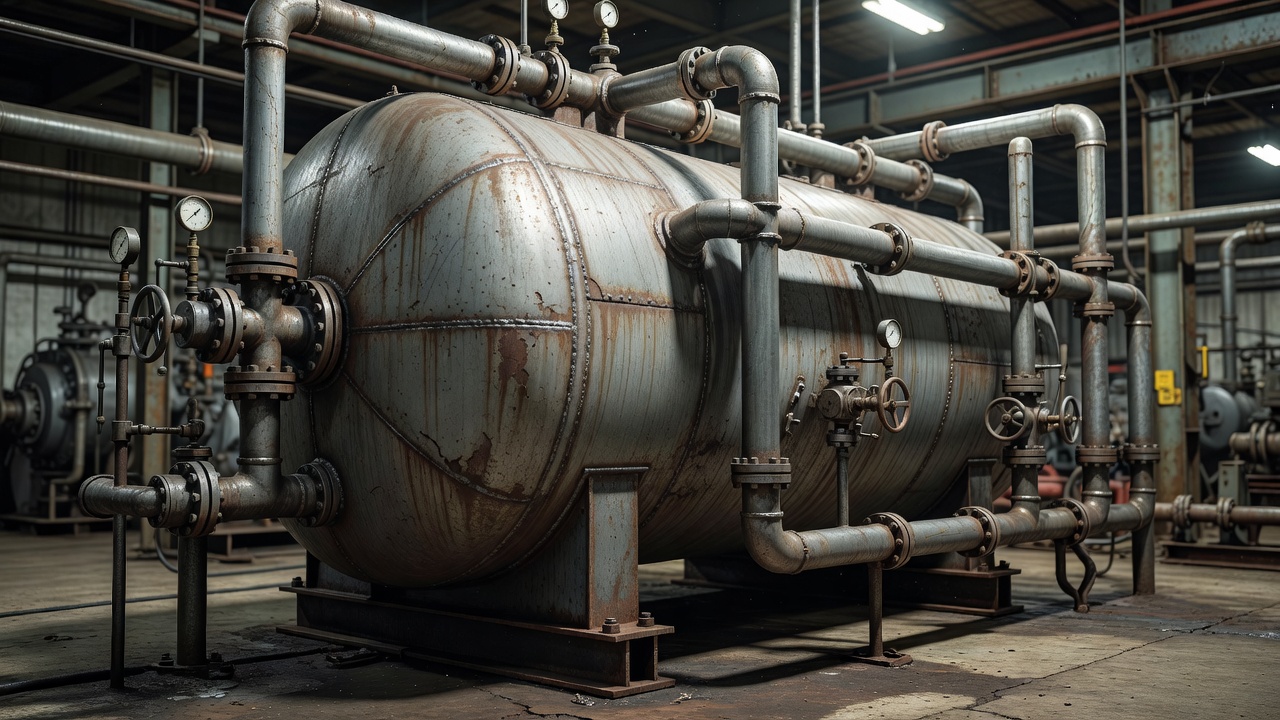
Compressed hydrogen storage keeps gas within engineered pressure-containing equipment. The concept is straightforward to describe, but the facility is not simply a collection of cylinders. It includes boundaries, supporting structures, connections, controls, access arrangements and the systems that receive or deliver the gas. Understanding those interfaces is more useful than treating a pressure rating or a vessel count as a complete description of a project.
Containment as a defined boundary
A pressure vessel is designed to contain gas under specified conditions, with design, manufacture, inspection and maintenance governed by applicable codes and jurisdictional rules. The relevant boundary may include connected pipework and fittings, depending on the design and regulatory context. A project description should say where the vessel system begins and ends, how its interfaces are managed, and which parties own or operate adjoining equipment.
Vessel materials and construction approaches vary. Selection depends on the pressure range, service conditions, expected duty, site environment, transport needs and applicable engineering requirements. Hydrogen can interact with some materials in ways that influence material selection and service suitability. These are specialist design questions; a general description cannot establish whether a particular component is suitable for a particular installation.
What surrounds a vessel
At a facility level, compressed storage may be associated with compressors, pressure control, isolation devices, piping, manifolds, metering and instrumentation. The configuration depends on how hydrogen arrives, the conditions required for storage and the conditions needed by the receiving process or vehicle system. Connections may also include vents or other engineered provisions described in a project's safety documentation. Their presence, design and use are site-specific matters rather than universal instructions.
Compressors can be significant because changing pressure takes energy and creates mechanical and thermal demands. That energy use can affect the overall efficiency of a supply chain. A useful comparison therefore asks not only how much gas a system can hold, but also how it is filled, how it is dispatched, how frequently it cycles and what conditioning is required at each step. Avoid comparing headline capacities without checking whether assumptions about pressure, usable inventory and operating pattern are consistent.
Planning and comparison
Compressed storage can be relevant where a relatively compact, controllable buffer is needed, including at refuelling or industrial sites. Yet space, transport logistics, vessel grouping, separation distances, inspection access and neighbouring land uses all influence the site concept. A site plan should be read alongside the process description: equipment arrangement has meaning only when the flow paths and boundaries are clear.
For an energy planner, questions may include whether storage buffers intermittent production, supports predictable dispatch, or links distinct supply modes. For a community reader, understandable information about facility boundaries, emergency coordination and monitoring may be more useful than a technical pressure figure. Both audiences benefit when uncertainty is stated openly and when proposals distinguish conceptual illustrations from engineering design.
Evidence, standards and limits
Standards and codes provide structured requirements or guidance within defined scopes. ISO 19880-1 addresses gaseous hydrogen fuelling stations, while ISO/TR 15916 sets out basic considerations for the safety of hydrogen systems. NFPA 2 is a hydrogen technologies code used in applicable contexts. The Pressure Equipment Directive 2014/68/EU is relevant to certain pressure equipment placed on the European market, subject to its scope and exclusions. These references are not interchangeable, and citing a document does not establish that a facility complies with it.
Designers and authorities determine the rules that apply to a specific location, equipment type and project stage. Editions, national adoption and other local requirements matter. This dossier offers context, not certification or an operating procedure. For a project review, request the boundary drawings, stated assumptions, applicable standards register, safety documentation and evidence of competent review. Read these together: a vessel, a code reference or a monitoring list alone cannot explain the whole system.
Compressed storage is therefore best understood as one part of an energy interface. Containment, compression, transfer, monitoring and end-use demands influence one another. Clear system diagrams and careful comparisons make those relationships visible without pretending that a general article can replace site-specific engineering judgement.